International Breaks Create Distinct Fatigue Patterns in Domestic Leagues
Jordan Vogel · Jul 31, 2026
International Breaks Create Distinct Fatigue Patterns in Domestic Leagues
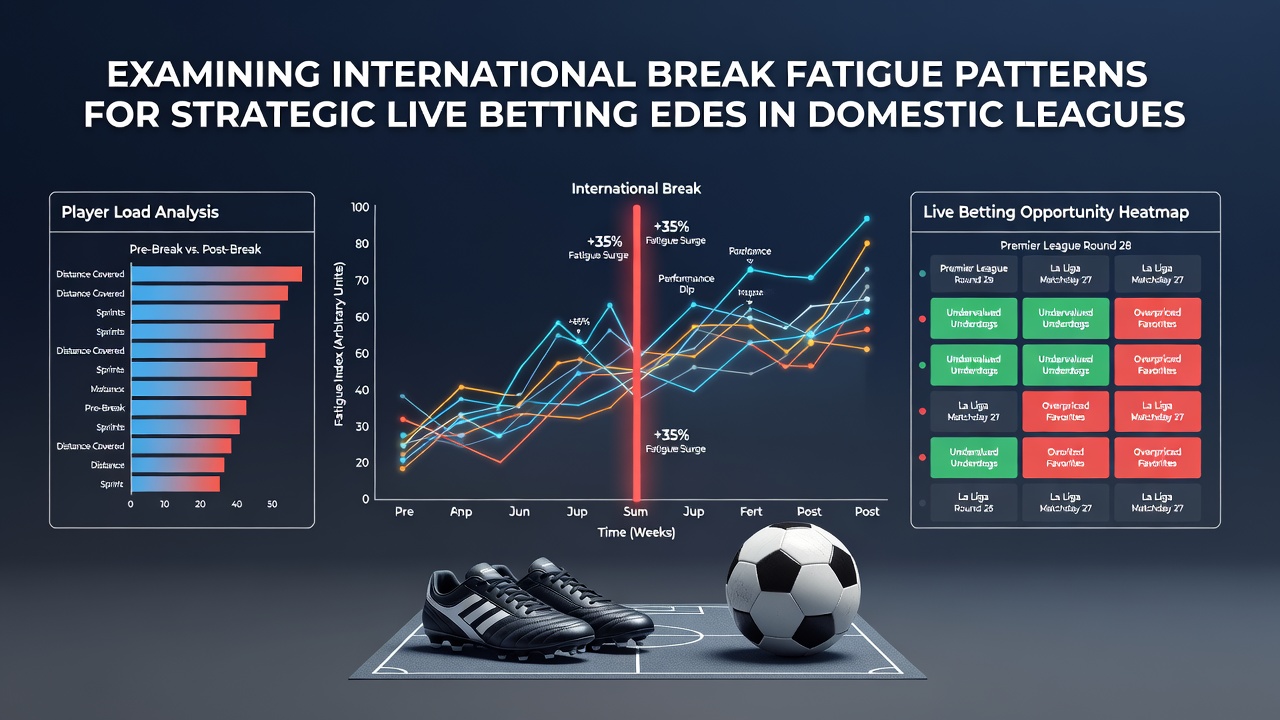
International breaks disrupt domestic league schedules several times each season and researchers track consistent performance shifts once players return to club action. Data from multiple top European competitions shows reduced sprint distances and lower pass completion rates in the initial 90 minutes after a break window ends. Observers note these changes appear most pronounced in midfielders and full backs who log heavy minutes with national teams.
Performance Metrics After Return
Studies from sports science departments at institutions across Europe and North America indicate that teams with three or more players on international duty often concede higher expected goals in the first match back. Bundesliga tracking data collected between 2023 and 2025 revealed an average 12 percent drop in high-intensity efforts during the opening 45 minutes of the first post-break fixture. Similar patterns surfaced in Serie A and La Liga datasets where defensive lines allowed more progressive carries in the early stages of matches following FIFA windows.
Coaches adjust lineups adn pressing triggers to compensate for these dips yet the adjustments rarely eliminate the effect entirely. Live betting markets respond once the opening 15 minutes pass without the expected tempo because bookmakers adjust in-play odds for total goals and corner counts accordingly.
League-Specific Variations
English Premier League clubs display sharper early-match slowdowns compared with Ligue 1 sides because travel distances from South American qualifiers tend to be longer for Premier League players. French league fixtures following breaks show elevated card counts in the second half as fatigued defenders commit more fouls under sustained pressure. Belgian Pro League matches exhibit the opposite trend with higher goal tallies in the final 30 minutes when substitutes exploit tiring opposition backlines.
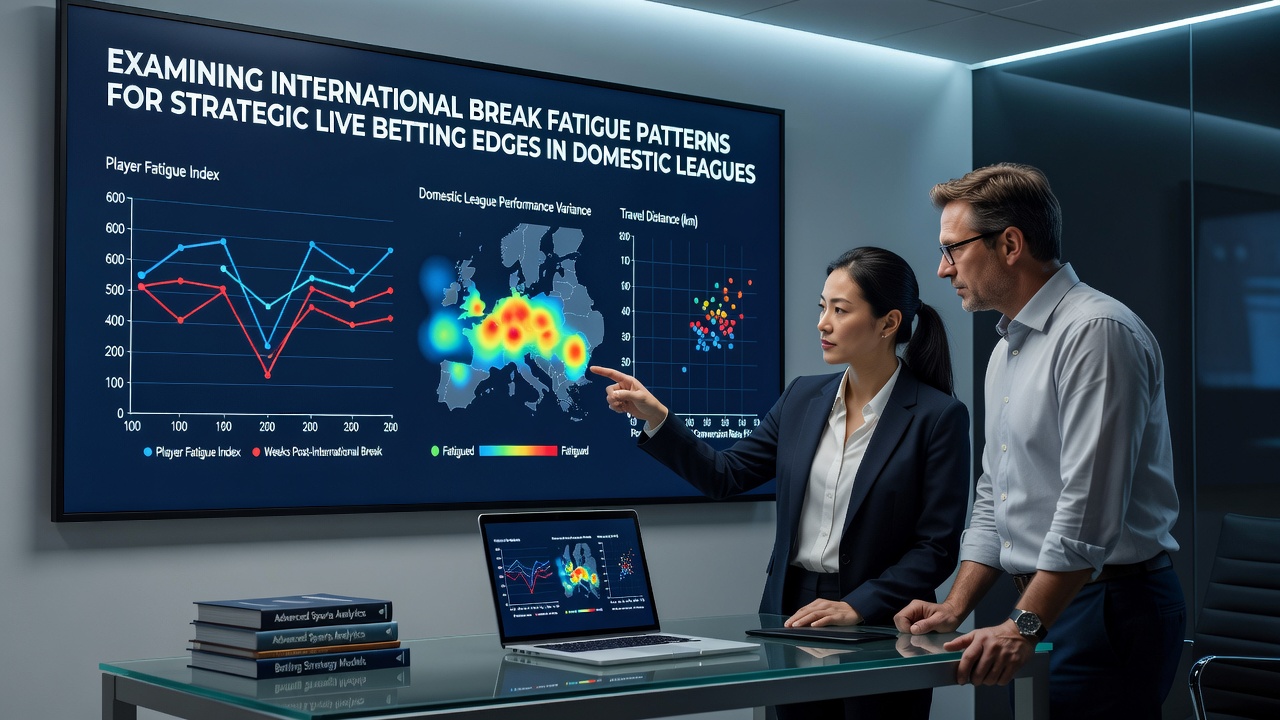
Swedish Allsvenskan records indicate away sides suffer the largest performance gaps after breaks because fixture congestion combines with long domestic travel. Australian A-League data collected during overlapping FIFA windows shows similar recovery curves once players cross multiple time zones to rejoin clubs.
Live Betting Applications
Betting operators release in-play markets within the first 10 minutes of domestic fixtures that follow breaks and sharp bettors monitor early possession percentages and shot locations for signals. When a side retains less than 45 percent possession in the opening quarter yet registers few shots against, live odds on over 2.5 goals frequently lengthen before climbing again once substitutions occur. European sports analytics platforms such as UEFA technical reports document these timing patterns across multiple seasons.
Another approach involves tracking set-piece volume. Fatigue reduces aerial duel success rates so corners and free-kick attempts rise after the 60-minute mark. Canadian research groups studying workload management have published findings that link increased stoppage-time goals to reduced recovery between high-intensity bouts and domestic leagues show parallel spikes in the same windows.
July 2026 Context
With the 2026 FIFA World Cup approaching, July fixtures in several European leagues already reflect condensed preparation periods. Clubs that released players for June qualifiers now face shortened pre-season blocks before the new campaign starts. Early tracking from training camps indicates elevated muscle soreness markers in returning players which mirrors patterns observed in prior non-tournament summers.
Conclusion
International break fatigue produces measurable shifts in domestic league metrics that influence live betting markets across multiple competitions. Performance data from various leagues shows consistent drops in intensity during the first match back and these trends create windows where in-play odds adjust before stabilizing. Observers who monitor early possession, shot quality, and set-piece frequency gain access to edges that appear repeatedly after each FIFA window closes.