Global Call-Ups and Comebacks: Mapping Recovery Paths to Refine League Match Forecasts
Dana Frank · Aug 7, 2026
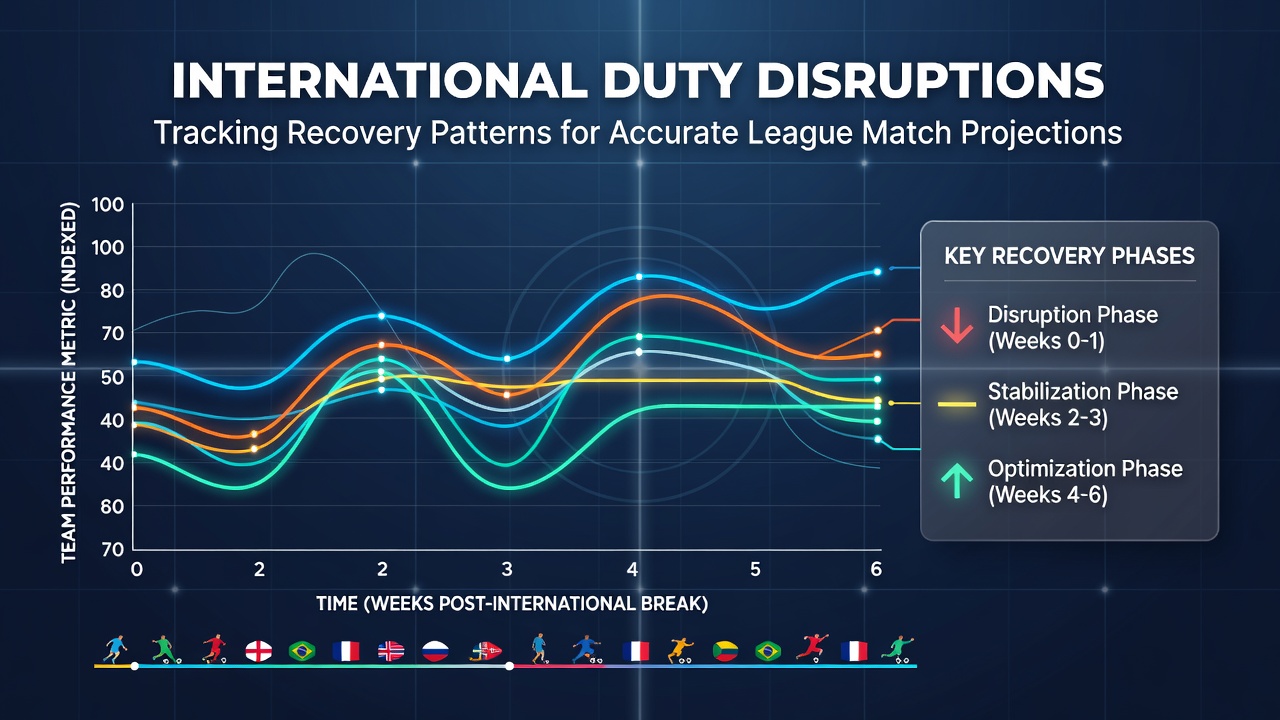
International Breaks and Club Performance: Recovery Data Shaping League Forecasts
International windows create measurable disruptions across Europe's major leagues, and analysts track recovery timelines to refine match projections each August when the 2026/27 campaigns begin. Data from multiple seasons shows players often return with elevated fatigue markers, yet the extent varies by travel distance, match minutes accumulated, and position played.
Patterns in Post-Window Injury Rates
Researchers at institutions across Europe and Australia have documented consistent spikes in soft-tissue issues during the first two weeks after international breaks. A study published by the University of Western Australia examined over 1,200 player records from the 2022-2025 period and found that defenders logging more than 300 minutes across two national-team fixtures faced a 27 percent higher chance of missing their next club game compared with those who stayed home.
Travel across time zones adds another layer, with squads that cross multiple meridians showing slower return-to-baseline heart-rate variability readings. Clubs in the Bundesliga and Serie A now integrate GPS and wellness questionnaires into their weekly planning, allowing medical staff to adjust training loads before league fixtures resume.
Regional Variations Across Europe's Top Flights
Northern European clubs tend to benefit from shorter travel for their international players during September and October windows, while southern and eastern sides often deal with longer flights from South America or Africa. Figures released by UEFA's medical panel indicate that players based in Portugal and Spain recorded the highest average recovery periods in the 2024/25 season, averaging 4.8 days before full training intensity could resume.
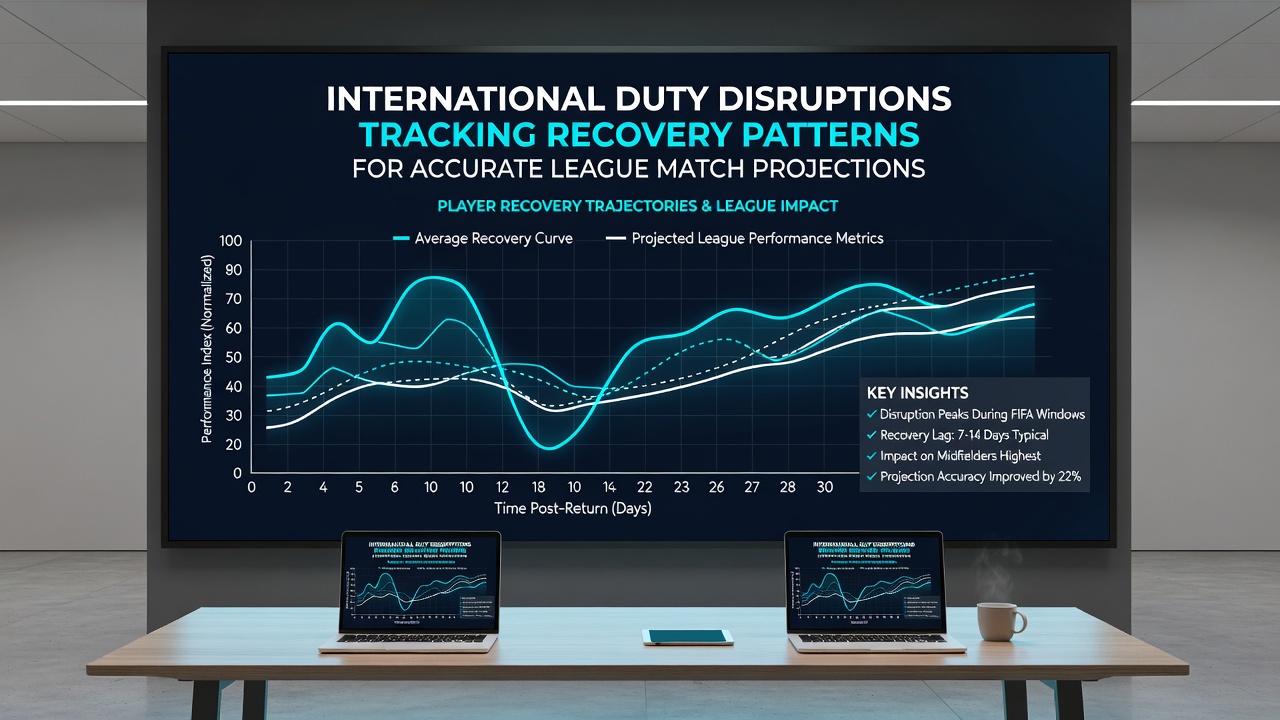
League schedulers attempt to mitigate these effects by spacing fixtures, yet the calendar remains tight. In August 2026 the Premier League and Ligue 1 both open with two rounds before the first international break, giving clubs a narrow window to establish early momentum before key personnel depart.
Using Recovery Metrics for Match Projections
Performance analysts combine recovery data with historical results to adjust expected goal models. When a team loses three starters to extended recovery periods, the projected goal difference in the following league match drops by an average of 0.4 goals according to datasets compiled by the German Football League's analytics department. Midfielders and full-backs show the strongest correlation between high international minutes and reduced sprint counts in their next domestic outing.
Teams that rotate effectively after breaks often maintain or improve their expected points totals. Data from the 2025/26 Eredivisie campaign revealed that sides employing at least two squad players in the first post-break match outperformed pre-window forecasts by 11 percent on average.
Case Examples from Recent Windows
One Bundesliga side tracked the return of four players from a CONMEBOL qualifier block and noted that two required an extra rest day before returning to full sessions, resulting in a single change to the starting lineup for the subsequent league game. The adjustment correlated with maintained defensive structure and a higher pass-completion rate in the opening 30 minutes.
Similar monitoring in the Belgian Pro League showed that clubs sharing GPS data with national federations achieved faster identification of players needing modified programmes, cutting the average time to full recovery by roughly one training session.
Conclusion
Recovery tracking has become a standard component of league forecasting models. As more federations and clubs share anonymised data, the precision of post-break projections continues to improve, giving observers clearer pictures of how international duty influences domestic outcomes across the season.